
Living near the Jersey Shore comes with plenty of advantages. Ocean breezes, easy beach access, and the character of coastal neighborhoods are all part of what makes Belmar such a desirable place to live. However, that same coastal environment can also be tough on a home.
Roofs, siding, exterior metal, masonry, and chimneys all deal with moisture, wind, temperature changes, and salt carried through the air. Over time, those conditions can accelerate wear that might develop more slowly farther inland.
For homeowners looking for dependable chimney service Belmar properties can benefit from, it helps to understand how shore conditions affect the chimney from the outside in.
A Chimney Takes a Beating
A chimney is one of the most exposed parts of a home.

It extends above the roofline with very little protection from wind, rain, snow, freezing temperatures, and summer humidity. In Belmar, coastal air adds another factor.
Salt does not need to visibly coat the chimney to contribute to deterioration. Moisture and airborne salt can gradually affect metal components, mortar joints, flashing, caps, and other exposed areas.
The result is often slow deterioration rather than one dramatic failure. That is exactly what makes problems easy to overlook.
Masonry Does Not Like Constant Moisture
Brick and mortar may look solid, but masonry is porous. That means it can absorb water.
When moisture works its way into small cracks or deteriorating mortar joints, changing temperatures can make the problem worse. During colder weather, trapped moisture can freeze and expand. Repeated freeze and thaw cycles can gradually widen cracks and weaken surfaces.
Homeowners may begin to notice:
- Crumbling mortar
- Flaking brick surfaces
- Small cracks in the chimney crown
- Loose masonry
- White staining on brick
- Dark water marks
These signs do not always mean a chimney requires extensive repairs, but they are worth investigating before additional weather exposure creates more damage.
Professional chimney service in Belmar can help identify where moisture is getting in and whether repairs should be considered.
Metal Components Wear Differently Near the Shore
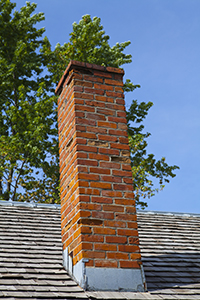
Not every chimney component is made from masonry. Caps, flashing, dampers, fasteners, and other parts may contain metal, and coastal conditions can be particularly hard on exposed metal surfaces. Corrosion can gradually weaken components or interfere with how they function.
A chimney cap, for example, may still appear to be in place while sections of it are beginning to rust or loosen. Flashing around the base of the chimney can also deteriorate, potentially allowing water to enter where the chimney meets the roof.
These are not necessarily problems a homeowner will notice from the ground. That makes periodic professional evaluation especially useful in a shore community.
Wind Creates Its Own Set of Problems
Belmar homeowners are familiar with strong winds.
Wind can affect a chimney in several ways. It can loosen already weakened caps, push rain against masonry, blow debris into exposed openings, and contribute to unusual draft behavior during fireplace use.
Regardless of how prepared you are for the next storm, severe weather can expose weaknesses that were already developing. After a particularly windy season or major coastal storm, it can be worthwhile to pay closer attention to the chimney’s exterior condition.
Something as simple as a shifted cap or damaged flashing may eventually lead to larger problems if left uncorrected.
Chimney Crowns Matter More Than Most Homeowners Realize
The top of a masonry chimney should be designed to direct water away from the structure.
That job belongs largely to the chimney crown.
A properly constructed crown helps prevent water from entering the masonry below. When cracks develop, however, moisture can begin working its way into areas that should remain protected.
Because crowns sit high above the roof, homeowners rarely see them up close. Understandably, this means minor crown damage can go unnoticed for a long time.
A professional providing chimney service Belmar can examine the crown for cracking, deterioration, and other signs of weather related wear.
Look for Clues In and Around the Fireplace Too
Exterior deterioration sometimes produces signs inside the home. Water staining around the fireplace, unusual odors, rust on fireplace components, or dampness near the chimney can all suggest that moisture is entering somewhere in the system.
A musty smell is another clue. Chimneys naturally collect certain odors from soot and creosote, but moisture can make those smells noticeably stronger, particularly during humid weather. Do not assume that an unpleasant fireplace odor is simply part of living near the shore. There may be a reason behind it.
Older Belmar Homes Deserve Extra Attention
Belmar has homes representing many different periods of construction.
Older masonry chimneys can be remarkably durable, but age matters.
Mortar eventually deteriorates. Liners can become damaged. Older flashing methods may no longer provide the same protection they once did. Previous repairs may also have been made with materials that have aged differently from the original structure.
Buying an older home with a fireplace makes professional chimney evaluation particularly important. A chimney can look charming from the outside while still requiring attention in less visible areas.
Newer Homes Are Not Automatically Exempt from Chimney Service Belmar
It is easy to assume that chimney problems mainly affect older properties. That is not always true.
A newer chimney can still develop issues from improper installation, severe weather exposure, damaged flashing, missing caps, or premature deterioration. Age is one factor, but construction quality, maintenance, location, and exposure matter too. Any noticeable change in a chimney or fireplace is worth taking seriously regardless of how old the home is.
Preventing Water Entry Is Usually Easier Than Repairing Water Damage
One of the recurring themes in chimney care is simple: water is easier to keep out than it is to deal with after damage develops.
A small flashing issue, crown crack, or deteriorated mortar joint may be manageable when caught early.
Once water repeatedly enters the chimney, damage can spread to masonry, interior components, ceilings, walls, or surrounding roofing materials.
Routine chimney service gives homeowners the chance to address smaller concerns before they grow into larger projects.
Do a Quick Visual Check After Major Weather Events
Homeowners do not need to climb onto the roof to keep an eye on their chimney. In fact, we do not recommend it. A simple ground level inspection after storms can still be useful.
Look for anything obviously different, such as a leaning cap, missing pieces of masonry, visible cracks, debris near the base of the chimney, or changes around the roofline.
Inside the home, watch for stains, odors, or moisture around the fireplace.
These observations can help you recognize when it is time to call a professional.
Call Baron’s Chimney Service for Chimney Service Belmar

Shore homes face environmental conditions that can be harder on exterior building materials than homeowners realize. Your chimney is no exception.
If you have noticed changes in the masonry, signs of moisture, corrosion, fireplace odors, or simply have not had the chimney evaluated recently, professionals in chimney service Belmar can provide a clearer picture of its condition.
Baron’s Chimney Service helps homeowners identify developing problems, maintain chimney components, and address issues before coastal weather has more time to work against the structure.
The Jersey Shore is a great place to live. Your chimney just needs a little help handling the neighborhood.
